Industrial Automation and Monitoring
Start with the process, equipment and decisions your operators need to make. We assess sensing, control interfaces, monitoring and operator workflows together, so a proposed industrial system has a defined boundary and a practical route to integration and verification.
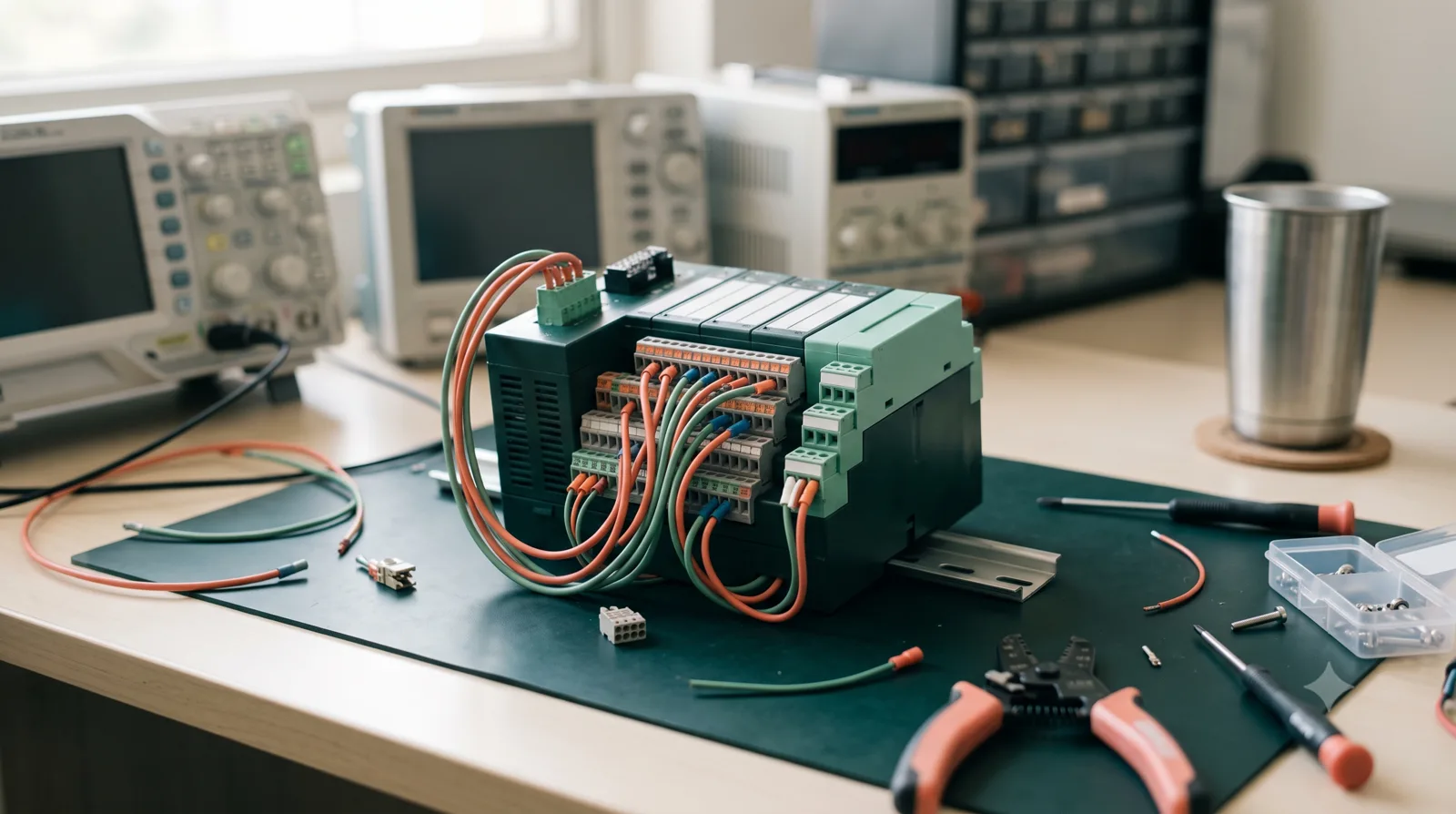
Start with the process and available signals
Describe the equipment, what operators need to know and which decisions the system should support. Existing signal types, interfaces, wiring information and operating constraints help establish whether the work is monitoring, control, dedicated electronics or a combination.
- Equipment and process description
- Existing sensors, signals and interfaces
- Alarm, monitoring and operator requirements
- Integration boundaries and site constraints
Is this the right service for your project?
Choose this service for industrial process signals, monitoring, control and operator information. Custom industrial electronics focuses on dedicated hardware. Our physical automation family covers doors, gates, parking and access systems.
Useful starting inputs
- Process description and existing equipment
- Available signals, interfaces and wiring information
- Operator decisions, alarm needs and current pain points
- Site constraints and integration requirements
Outputs to agree in the scope
- Process signal and interface assessment
- Monitoring/control and operator-interface scope
- Integration and commissioning check plan
- Documented review findings and support considerations
Make the operating state understandable
An operator interface should show useful states, changes and exceptions. Agree which information people need, what actions they can take and how the proposed interface connects with existing equipment and procedures. The aim is a system that can be reviewed and operated with clear responsibilities.
- Information and actions required by each user
- Useful states, alarms and history
- Connections with existing control or monitoring systems
- Responsibilities during faults and maintenance
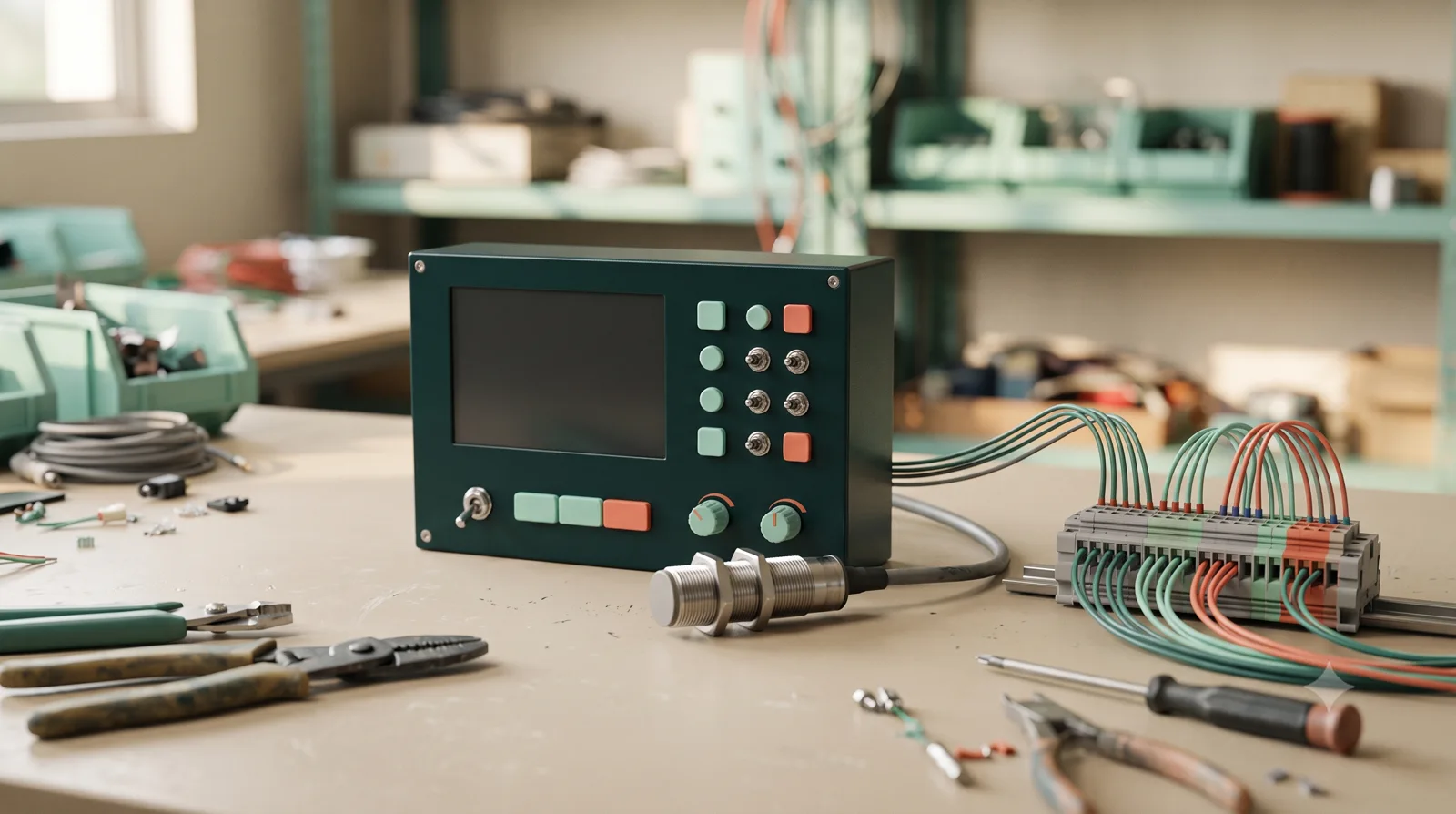
Verify the signal path and integration
Commissioning and verification need a defined scope. Plan which signals, interface responses and operating scenarios must be checked, then record findings and unresolved dependencies. Site access, equipment availability and specialist verification requirements are project inputs, not assumptions.
- Signal and interface checks to agree
- Operating and fault scenarios
- Equipment access and review responsibilities
- Integration findings and support information
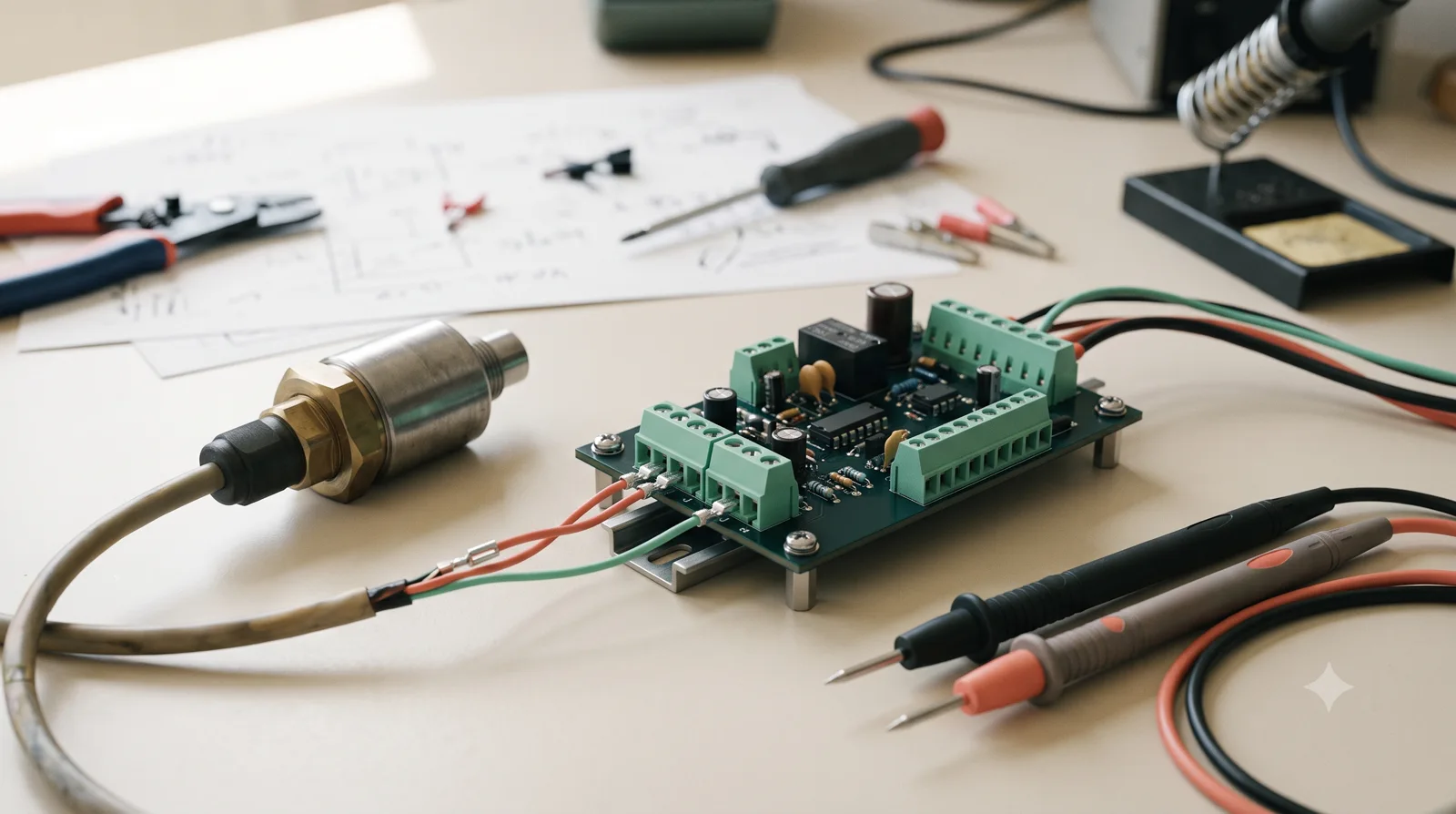
Agree the next milestone and handoff.
The final scope defines the deliverables, review responsibilities and any third-party licence or ownership boundaries. Share the next milestone so the work can be scoped around a useful result.
Start with your project brief.
Share the current product stage, the work you need and the next milestone.
Questions about industrial automation and monitoring
Can you work with equipment that is already installed?
Existing equipment can be assessed when the relevant interfaces, signals, documentation and site constraints are understood. Define access and integration responsibilities before planning changes or verification work.
Is this the same as door or gate automation?
Industrial monitoring and control focuses on equipment, processes and operator information. The separate Automation Products family covers physical systems such as doors, gates, parking and access control.
Can the first project focus on monitoring?
Yes. The useful starting point may be visibility into equipment state, measurements or exceptions. Define what people need to know and which decisions the information should support.
What should a first industrial brief include?
Describe the process, existing equipment, available signals, intended users, known problems and the next operating milestone. Include site or integration constraints that would affect review and testing.
Continue your project
Make the next milestone a useful one.
Tell us what exists today, what needs to change and the decision your team needs to make. We’ll connect the discussion with the relevant engineering scope.