IoT and AIoT Development Services
Design the complete path from the sensor to an operating decision. Device firmware, connectivity, identity, buffering, cloud integration and dashboards need a clear responsibility map. AIoT adds model-based analysis where the available data and operating requirement justify it.
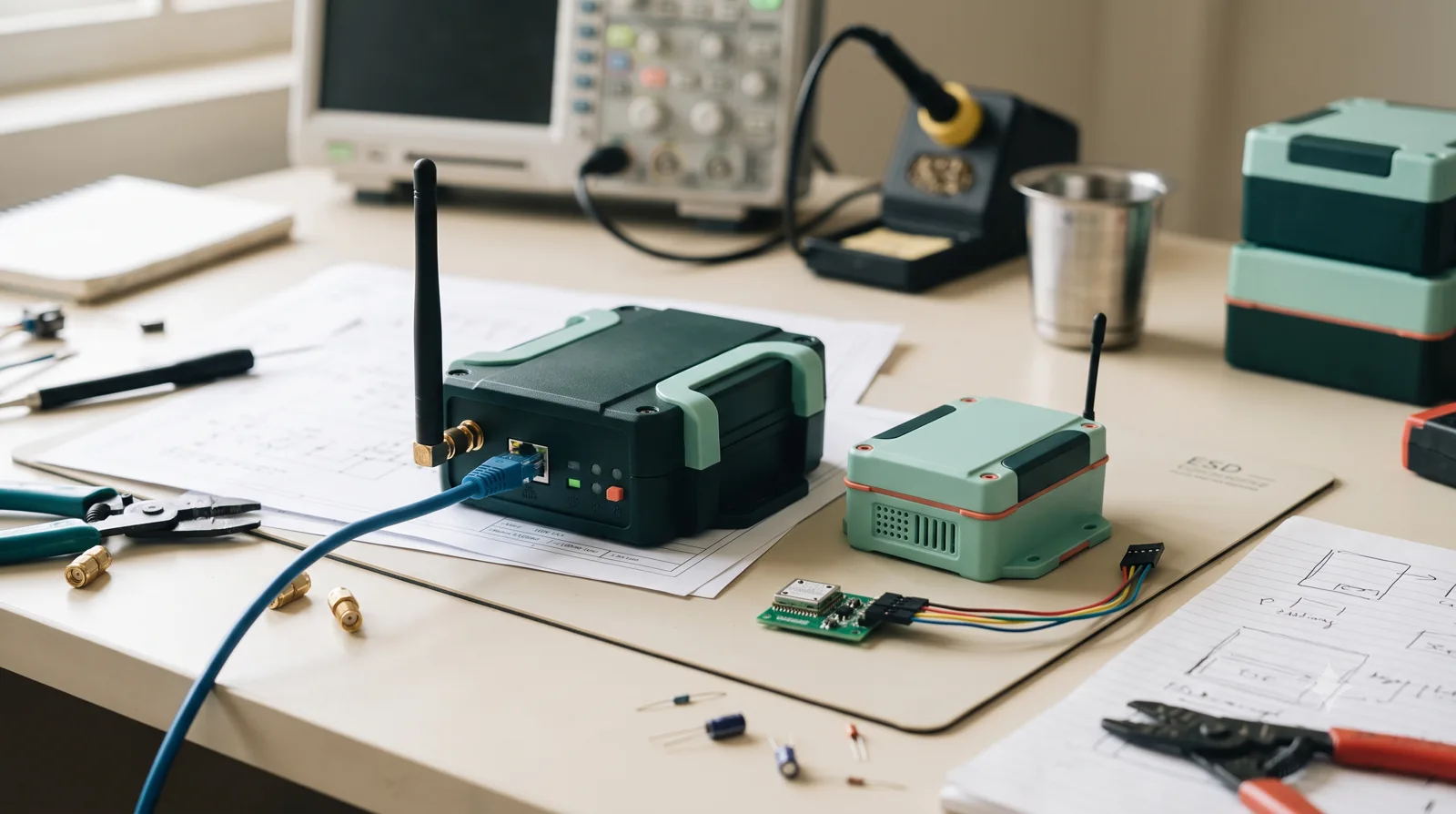
Choose the device and gateway responsibilities
Begin with the measurement and the decision it should improve. Consider sensor inputs, device power, local processing and the route to a gateway or platform. The architecture should identify what belongs on the device and what depends on communication or a wider system.
- Signals, sampling needs and operating environment
- Device and gateway responsibilities
- Power and connectivity constraints
- Existing devices, platforms and interfaces
Is this the right service for your project?
Choose this service for connected device-to-platform behaviour. AI/ML addresses model development and evaluation; Edge AI assesses local inference and its hardware/runtime constraints.
Useful starting inputs
- What is measured and who acts on it
- Device power, environment and connectivity
- Existing devices, platforms, APIs and data ownership
- Required offline and recovery behaviour
Outputs to agree in the scope
- Device-to-platform architecture and interface map
- Connectivity, identity and recovery requirements
- Device/cloud/dashboard implementation scope
- Connected-system validation and rollout considerations
Fit connectivity into the product
Connectivity is part of the complete product. Agree device identity, communication boundaries, data ownership and what should happen when a network is unavailable. Enclosure, antenna, power and firmware choices must be considered with the device context.
- Communication and identity requirements
- Data boundaries and permitted use
- Local storage, retry and recovery requirements
- Hardware, firmware and enclosure integration
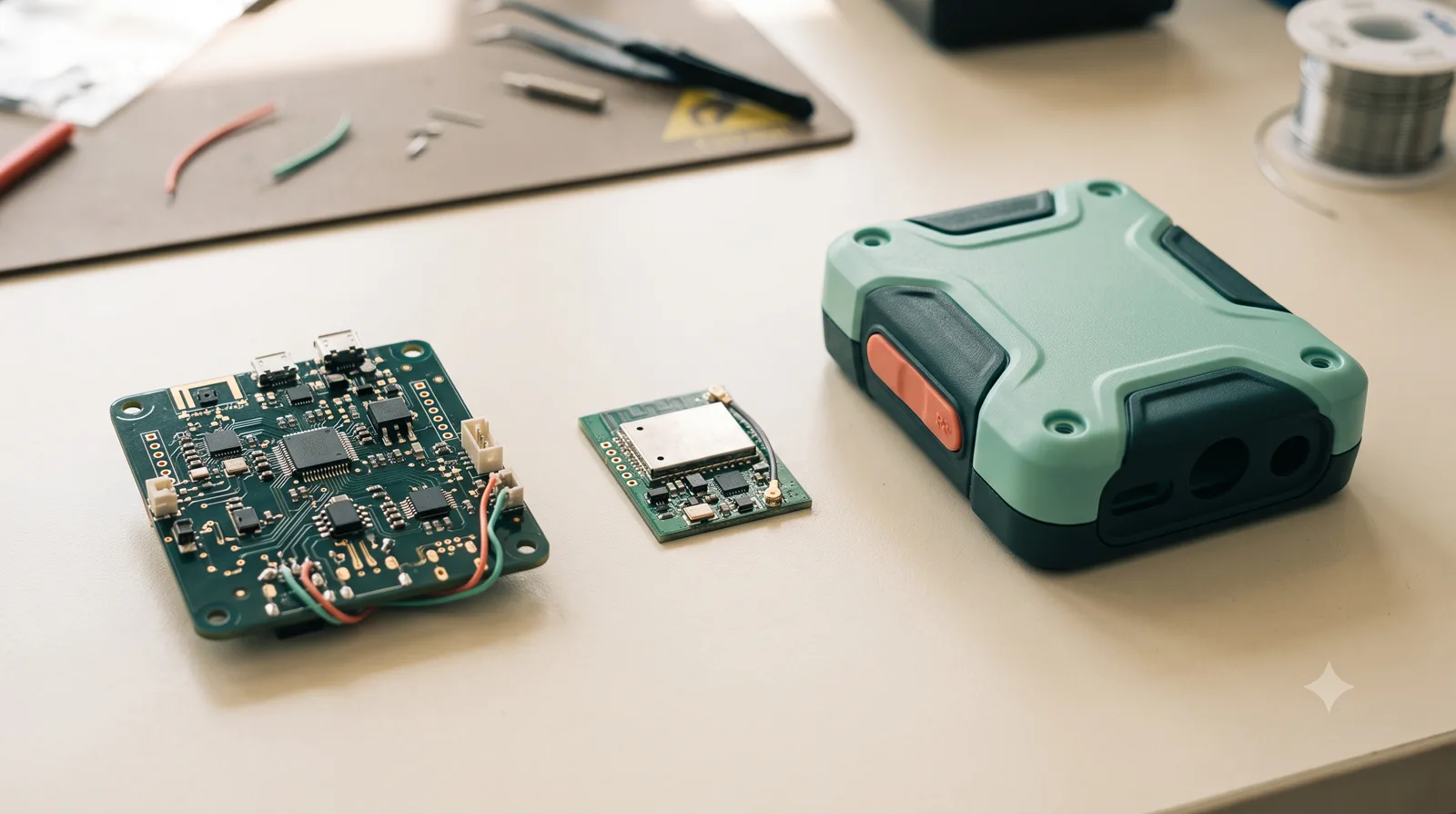
Follow data through to an operating decision
A useful connected system makes the path from field data to a dashboard, alert or action understandable. Review the device, platform and user workflow together. Add AIoT where the available data and the decision justify model-based analysis, with an evaluation and operating plan.
- Data structure and platform integration
- Dashboards, alerts and operational workflows
- End-to-end checks and recovery behaviour
- AIoT feasibility and ongoing review where appropriate
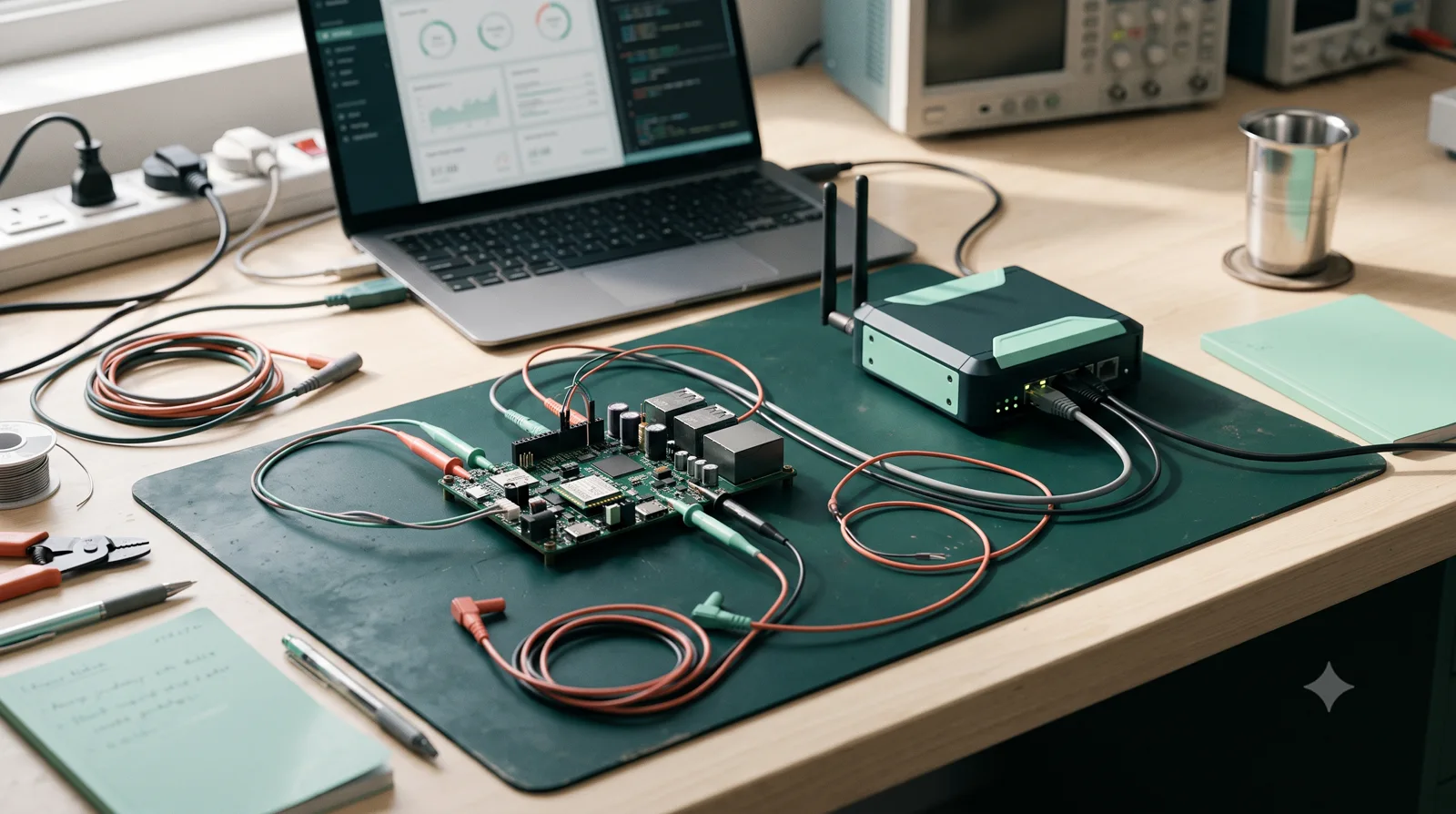
Agree the next milestone and handoff.
The final scope defines the deliverables, review responsibilities and any third-party licence or ownership boundaries. Share the next milestone so the work can be scoped around a useful result.
Start with your project brief.
Share the current product stage, the work you need and the next milestone.
Questions about iot and aiot development
Can you connect the device and the dashboard?
The service scope can connect device architecture, firmware, communications, cloud integration and user dashboards. Existing platforms and interfaces should be identified so responsibilities and integration work are clear.
What happens when connectivity is unreliable?
That behaviour needs to be designed explicitly. Define what the device should do locally, what data needs to be retained and how communication and recovery should operate when a connection returns.
When should AIoT be considered?
Consider model-based analysis when it improves a specific decision and the data supports a useful evaluation. The AI/ML and Edge AI scopes help assess model work and where inference should run.
Can an existing device or platform be reused?
Existing devices, APIs and platforms can be starting inputs. Review their interfaces, access, support boundaries and limitations before deciding what should be reused or developed.
Continue your project
Make the next milestone a useful one.
Tell us what exists today, what needs to change and the decision your team needs to make. We’ll connect the discussion with the relevant engineering scope.