Plan an electronics supplier transition around the product.
Replacing a supplier can affect interfaces, design information, components, firmware and support. Begin by documenting what the product needs and what information is available, then stage the alternative and its review.
Inventory the product and available information
Map functions, interfaces, operating conditions and known issues. Gather the design, firmware, component and test information that can be shared and identify what remains unknown. This creates a clearer assessment boundary.
- Product and external interfaces
- Available samples, files and records
- Known issues and required improvements
- Information access and engagement boundaries
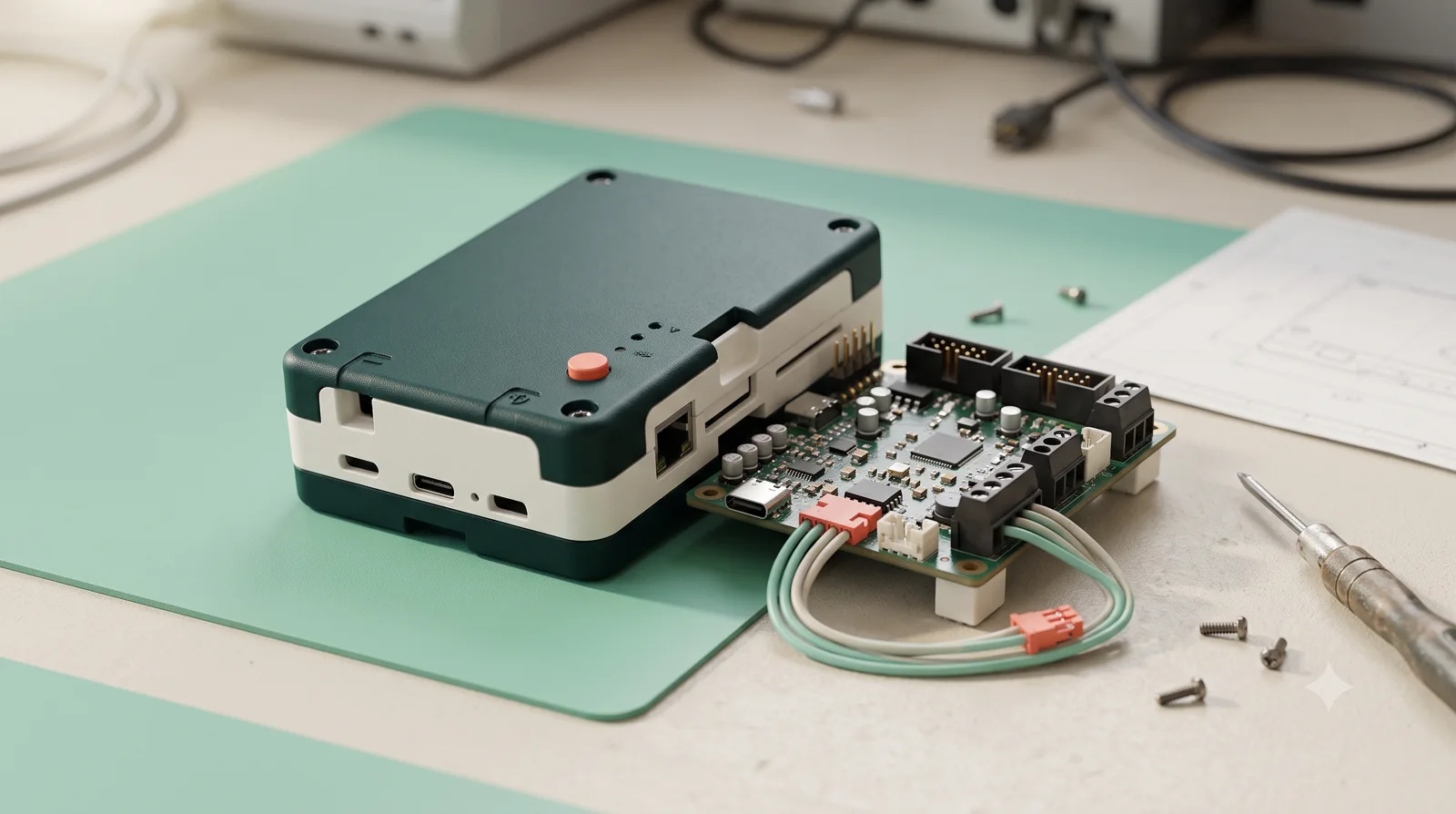
Validate the proposed alternative
Define the requirements that need to remain compatible and the changes the team wants to make. Assess the alternative through the agreed prototype or test scope, recording differences and limitations before moving a larger build.
- Compatibility and improvement objectives
- Prototype and integration review
- Relevant validation evidence
- Open issues and next actions
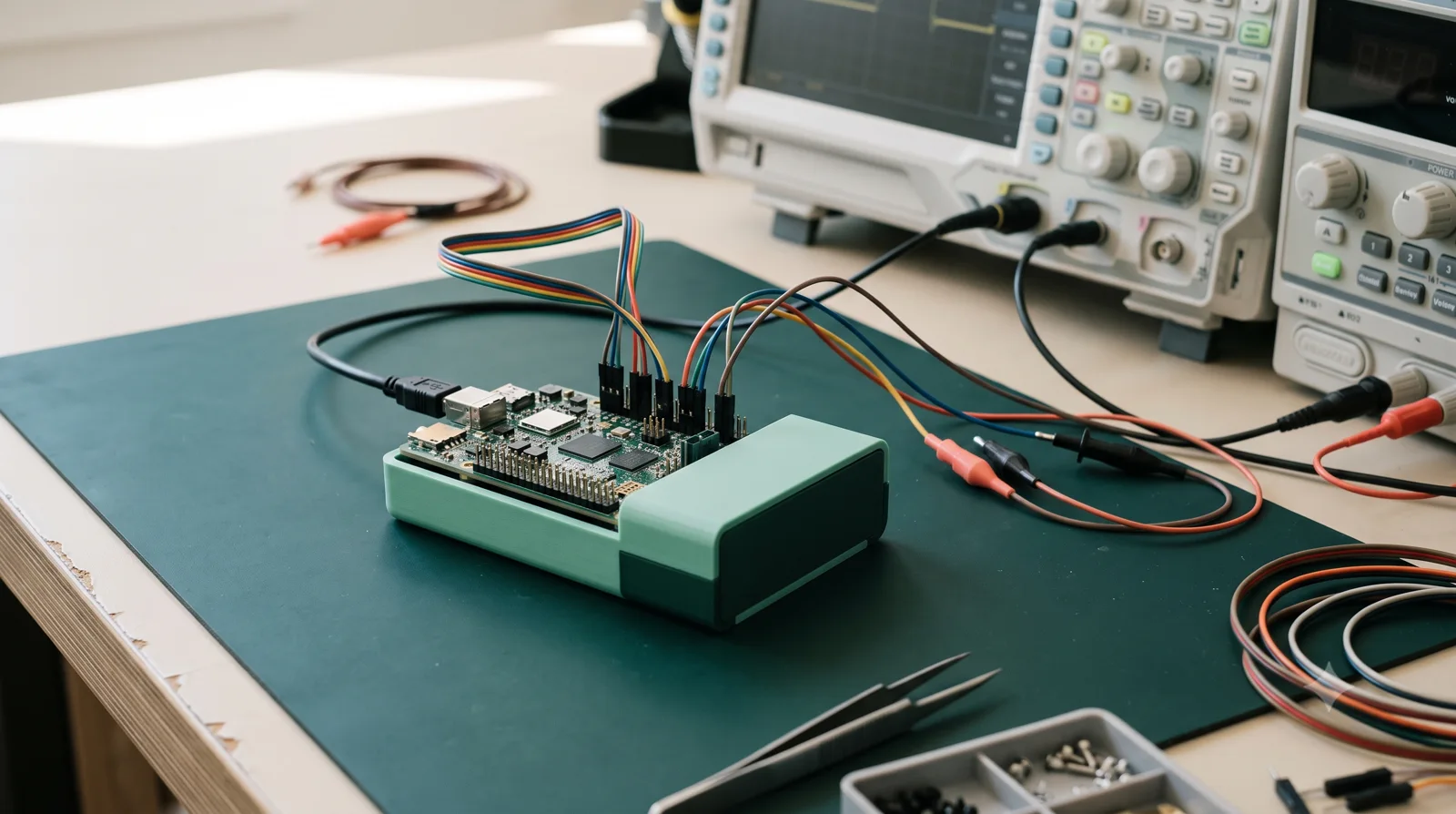
Agree the release and transition package
Connect the design change with the manufacturing and support information. Identify versions, component/BOM choices, assembly/test instructions and responsibilities for later changes. A transition is more useful when the next team can understand the product.
- Consistent release information
- Build and test documentation
- Known limitations and alternatives
- Handover, support and change responsibilities
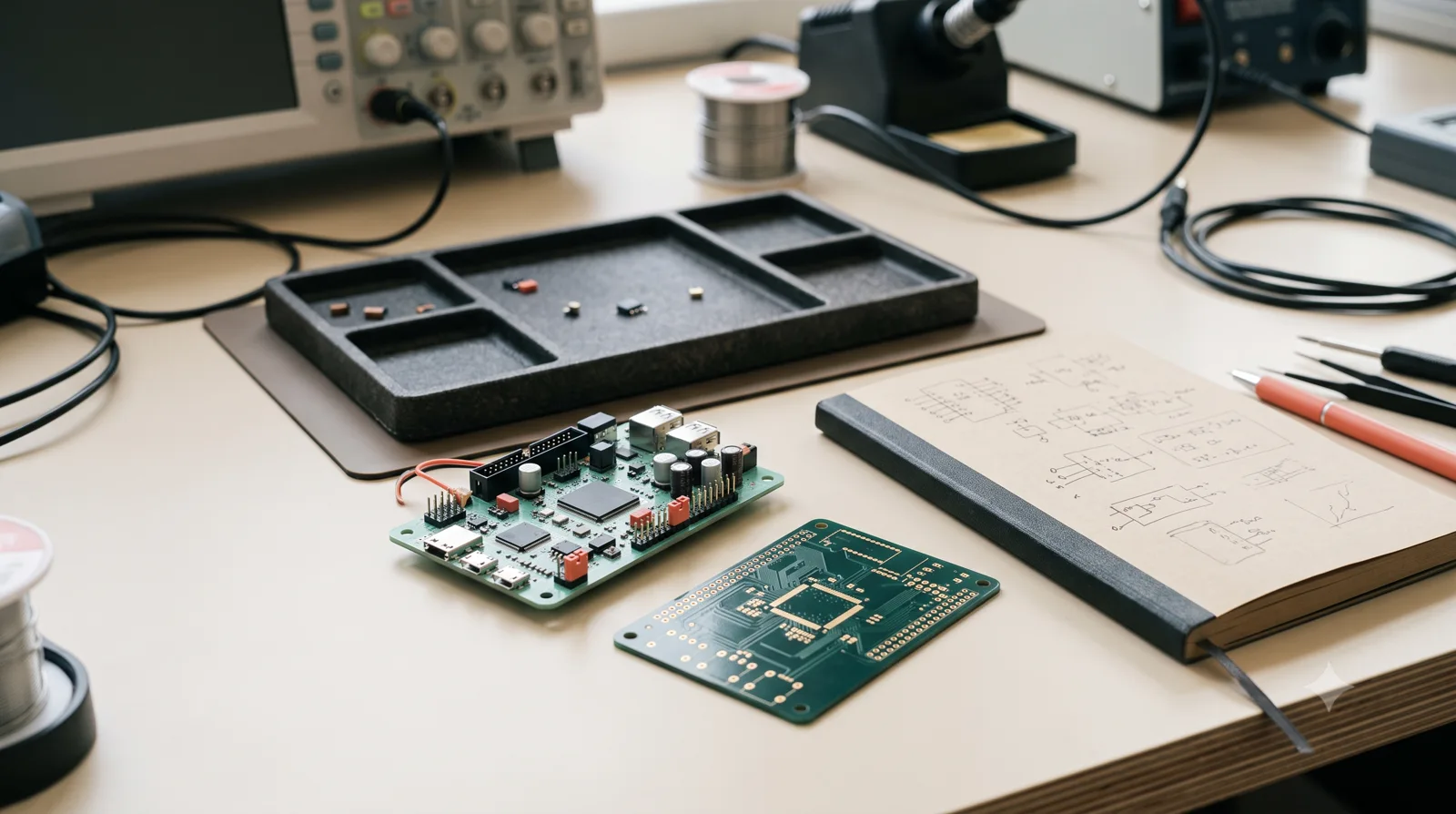
Questions about the next step
Should the first transition build replicate the existing release?
Define what must remain compatible and what is intentionally changing. Keep design, component, firmware and test differences identifiable so the evaluation can establish their effect.
What should be resolved before a transition?
Review access to design/build information, component assumptions, test requirements, known issues and ownership or licence boundaries. Agree who evaluates the alternative and approves the next release.
Continue your project
Make the next milestone a useful one.
Tell us what exists today, what needs to change and the decision your team needs to make. We’ll connect the discussion with the relevant engineering scope.