Start with the product challenge in front of you.
You may know the business problem before the engineering discipline. These playbooks connect a recognisable situation with the decisions, capabilities and useful next step behind it.
Choose the challenge you need to solve.
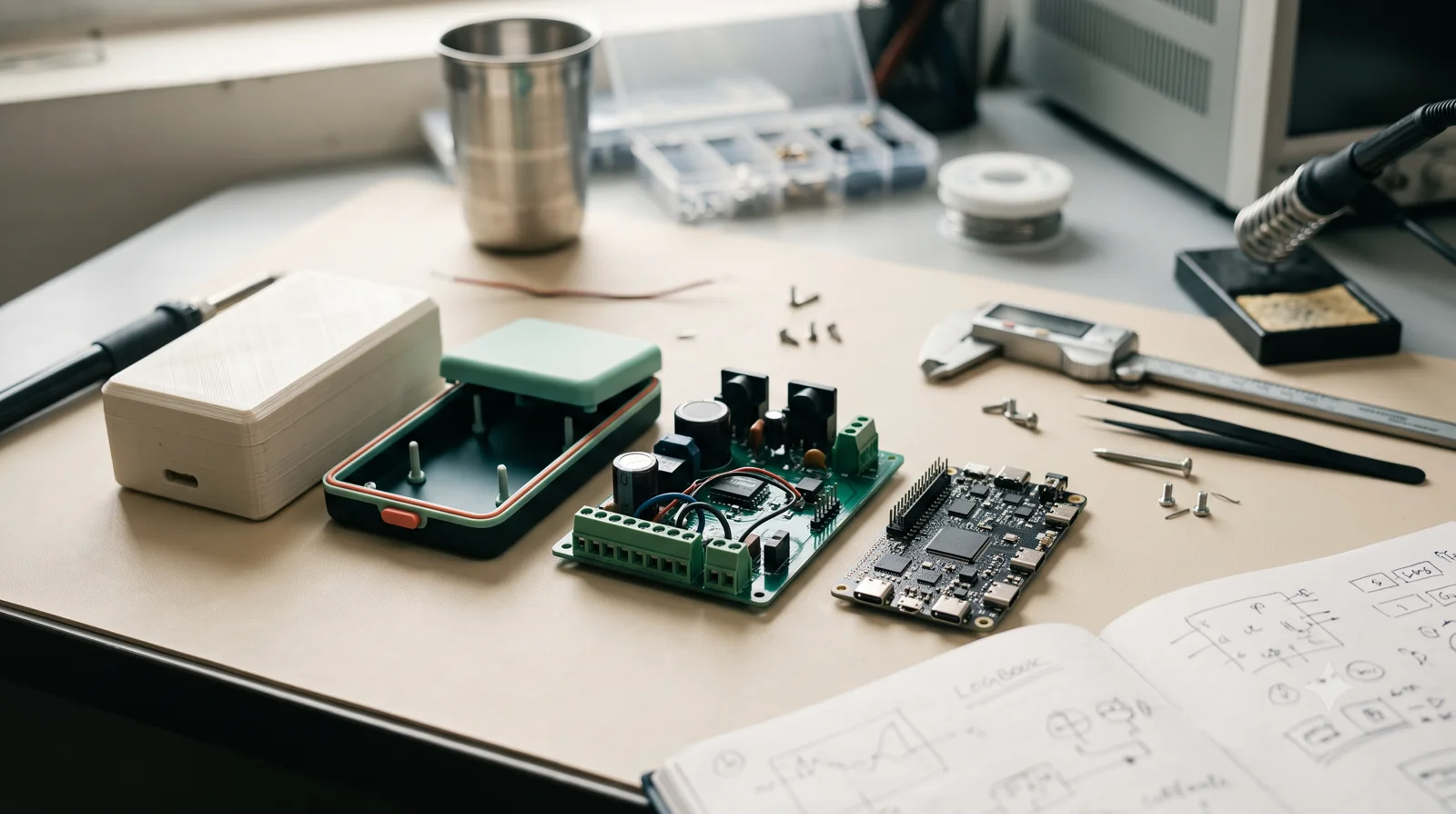
A new product needs a coherent starting point
Begin with the users, required behaviour and operating conditions. Product architecture and an integrated scope can connect the board, firmware, physical design and validation work needed for a useful first result.
- Define the product and system boundary
- Identify the most important unknown
- Choose the next prototype or review
- Connect turnkey and embedded development
An existing design needs to change
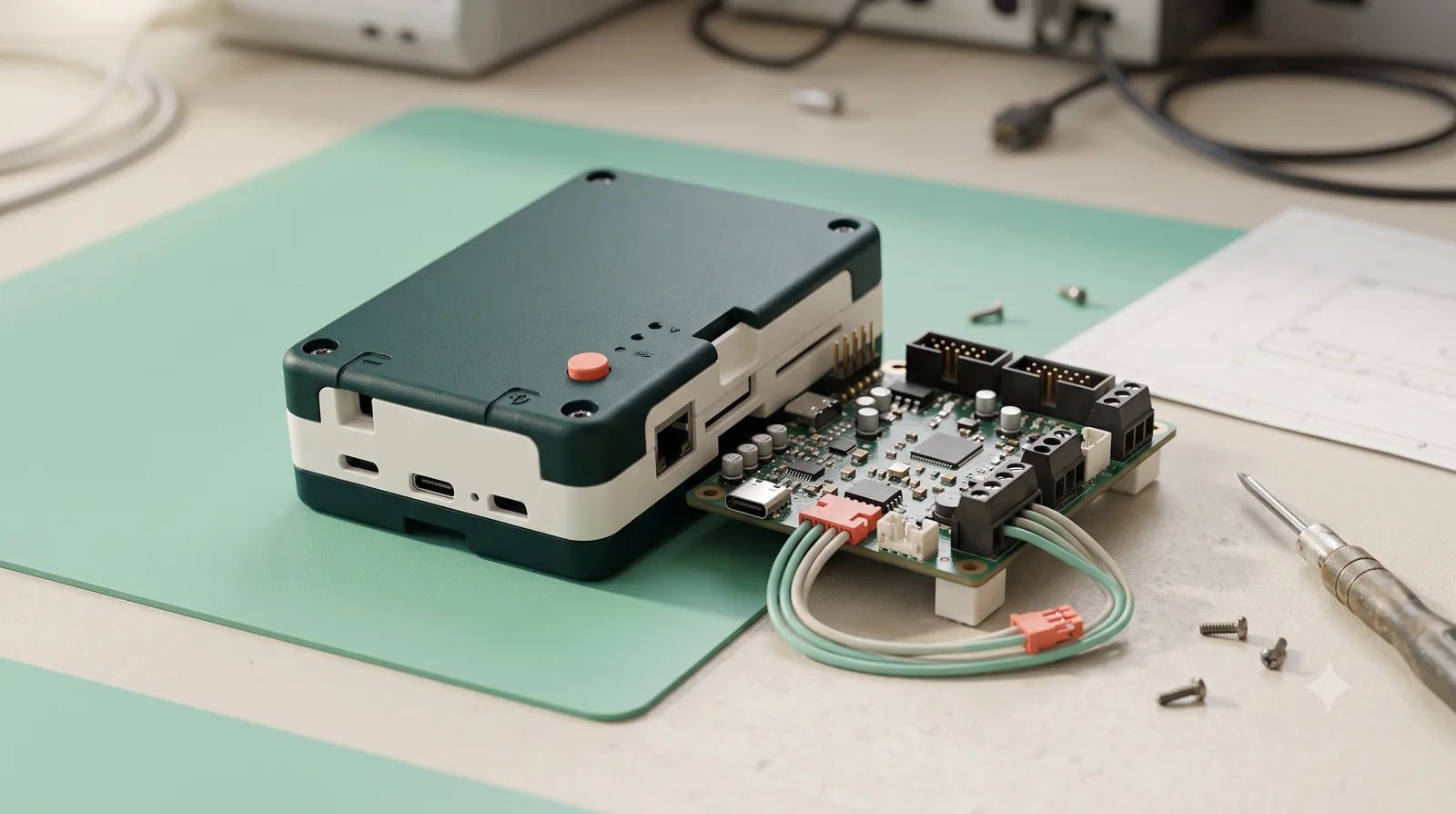
The issue may be difficult supply, an imported dependency, a field problem or a design your team needs to understand better. Start with the available evidence and the reason for the change, then define what should be reviewed or redesigned.
- Map the existing product and interfaces
- Review design and component decisions
- Identify ownership and support needs
- Stage the alternative and its validation
A prototype needs a repeatable build
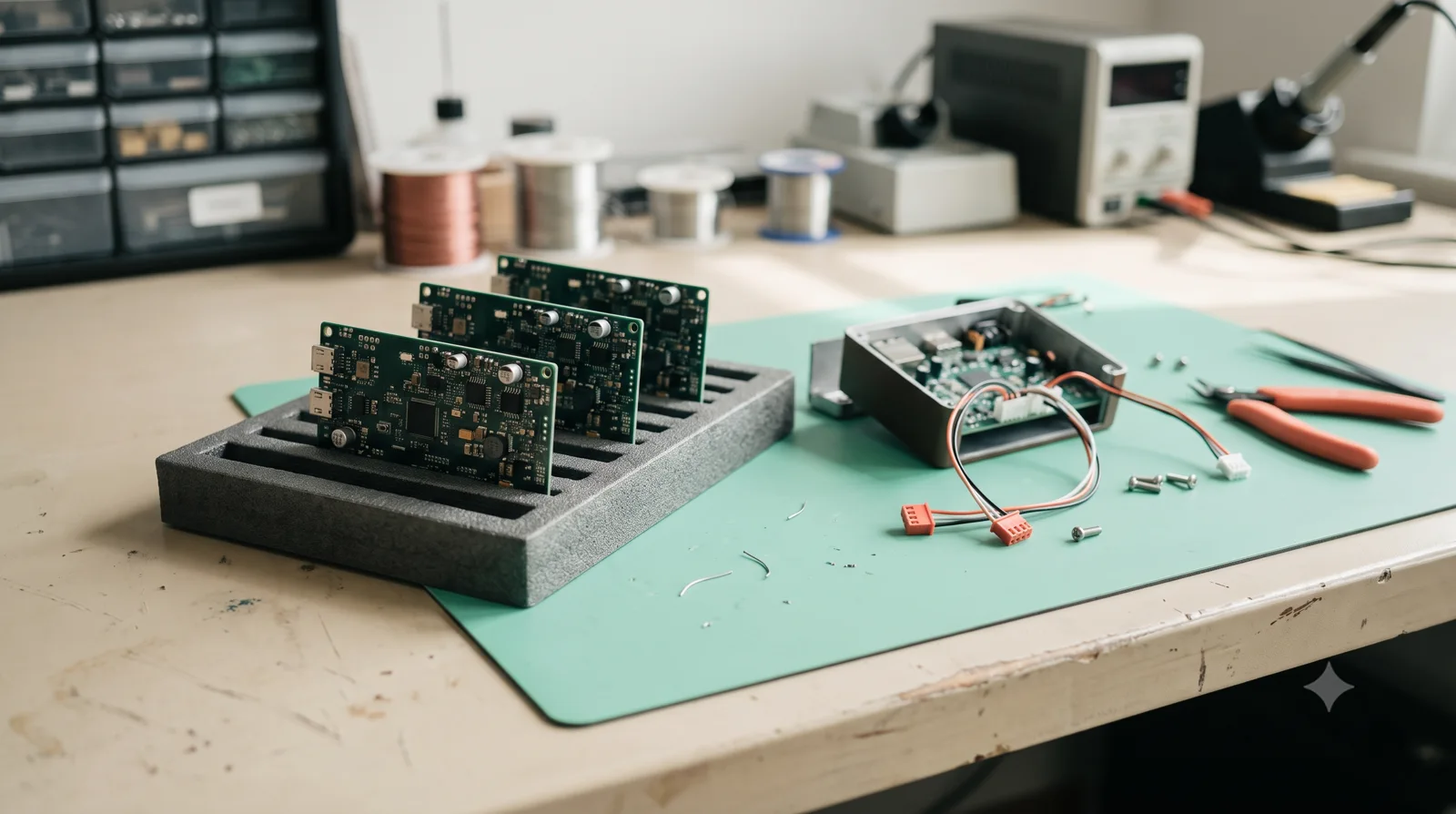
A successful demonstration does not answer every assembly, component or test question. Use a planned review or pilot to understand what changes when the design is built again and what the next commitment requires.
- Review what the prototype proves
- Identify repeatability and test gaps
- Plan a pilot or manufacturing handoff
- Use build findings to decide the next step
Questions about the next step
Is a playbook a fixed package?
A playbook is a way to understand the work and decisions behind a common product challenge. The deliverables, responsibilities and commercial scope are agreed for the actual project.
What if our challenge spans two playbooks?
Describe the wider requirement and the next useful result. Related service scopes help identify the workstreams that need to be coordinated.
Continue your project
Make the next milestone a useful one.
Tell us what exists today, what needs to change and the decision your team needs to make. We’ll connect the discussion with the relevant engineering scope.