Make in India starts with a supportable product.
Localisation is a product decision as well as a sourcing decision. Review what the product must do, which information your team needs to control and how a different engineering or supply route would be validated.
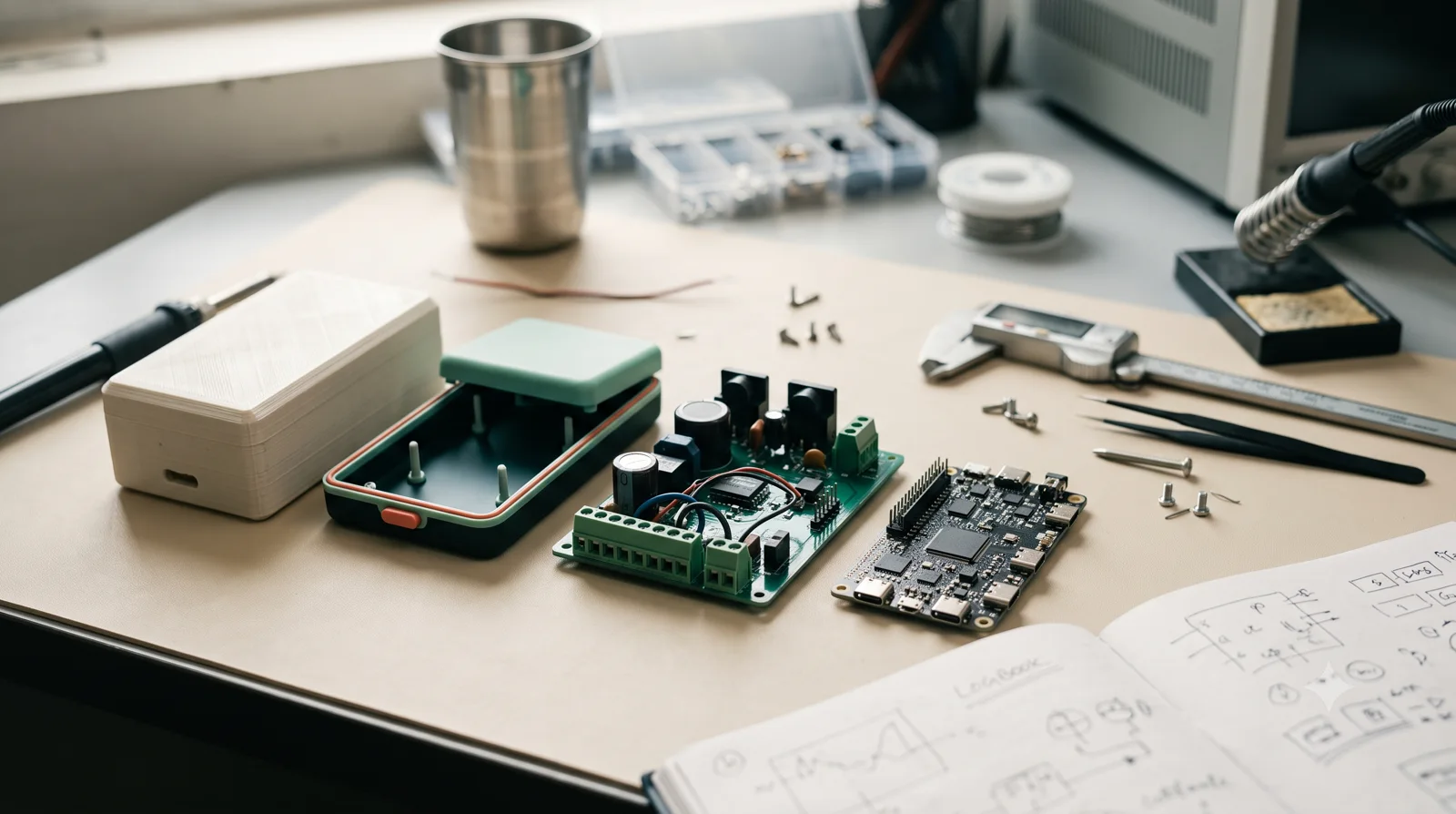
Define what your team needs to own
An imported dependency may be difficult to change, support or understand. Start by identifying the product functions, interfaces, documentation and design information that matter to the business. The aim is an agreed engineering boundary rather than an assumption that every part must be recreated.
- Current product and available records
- Required interfaces and operating behaviour
- Design and support responsibilities
- Ownership and licence terms to agree
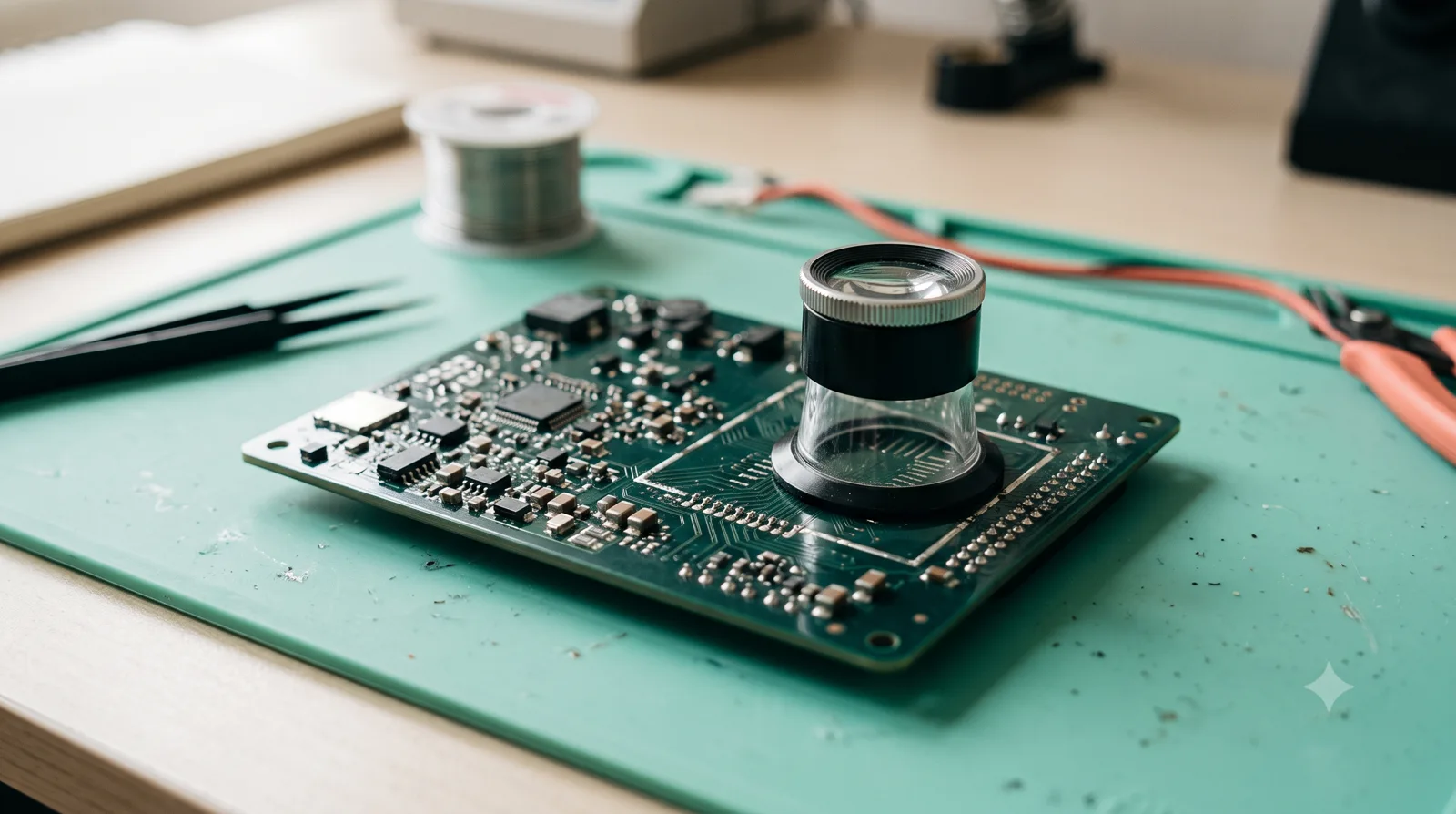
Review the component and build implications
An alternative component or assembly route can affect the surrounding design. Review the electrical, firmware, mechanical and manufacturing implications together. Availability, documentation and the next build should be considered alongside the immediate change.
- Component and supply assumptions
- Design changes and integration effects
- Manufacturing and test information
- Documentation for future revisions
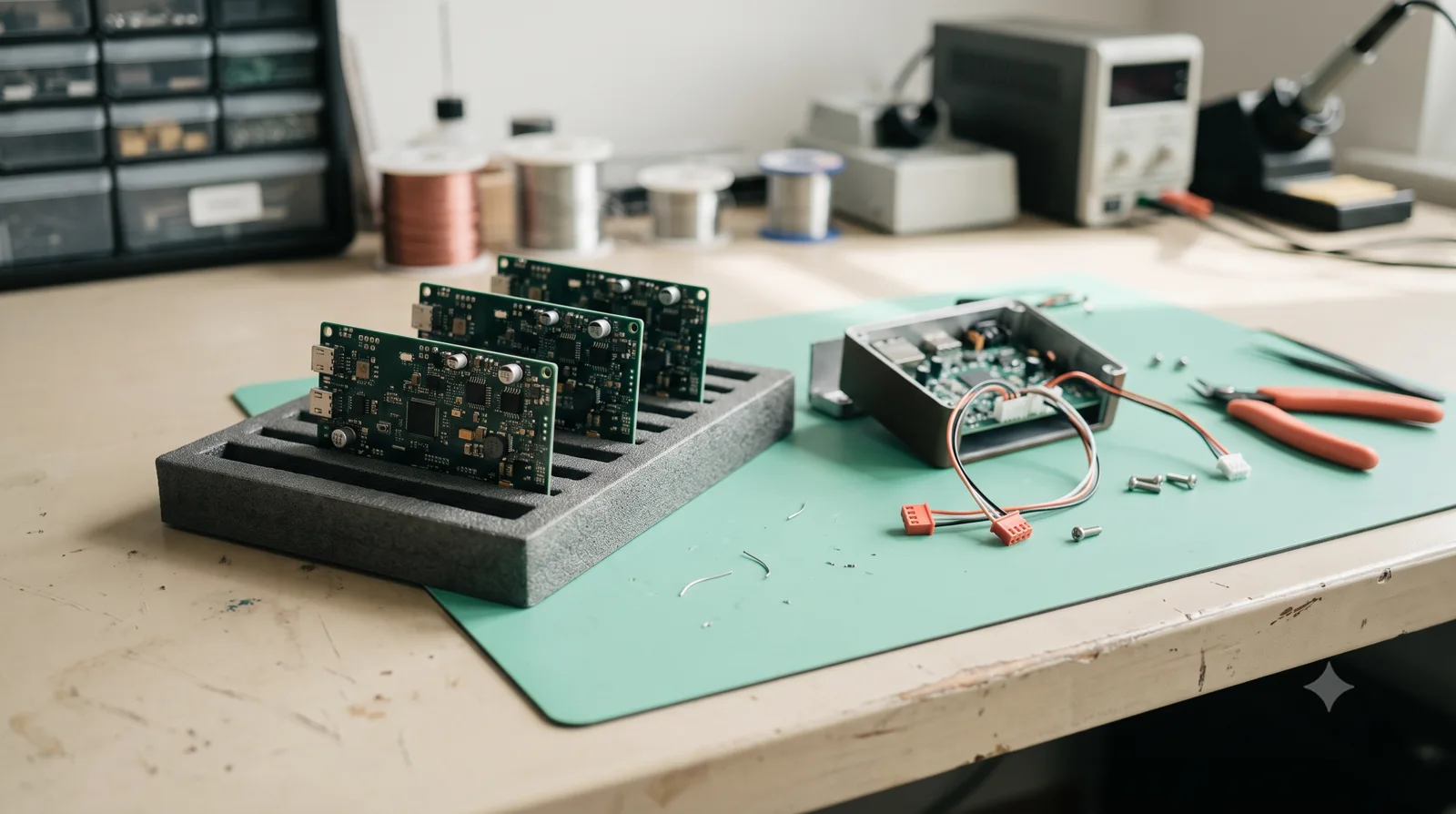
Stage the transition around useful evidence
Use an assessment, prototype or pilot to answer the important questions before changing a larger build commitment. The right sequence depends on the available design information, product risk and the evidence needed to assess the alternative.
- Assessment and architecture review
- Prototype and validation scope
- Pilot/build findings
- Release and handover decisions
Questions about the next step
Does localisation mean replacing every component?
The useful boundary depends on the product, support needs, available information and supply constraints. Review what needs to change and what can remain before defining the development work.
What should a localisation assessment establish?
It should clarify the product requirements, available design information, dependencies, proposed changes and the evidence needed to assess an alternative.
Continue your project
Make the next milestone a useful one.
Tell us what exists today, what needs to change and the decision your team needs to make. We’ll connect the discussion with the relevant engineering scope.